
What Is Chin Implant Surgery?
Chin implant surgery is a cosmetic procedure designed to enhance a naturally smaller chin, bringing it into better proportion with the rest of the face and reducing the appearance of a double chin. Before the operation, detailed radiological imaging and visual analyses are performed to determine whether the procedure is necessary.
For the implant itself, the most common choices are silicone chin implants or Medpor implants—both biocompatible materials. Medpor, in particular, is known for its low risk of allergic reactions and minimal likelihood of rejection by the body.
For the implant itself, the most common choices are silicone chin implants or Medpor implants—both biocompatible materials. Medpor, in particular, is known for its low risk of allergic reactions and minimal likelihood of rejection by the body.
Who Is a Good Candidate for a Chin Implant?
A key requirement is that the patient’s jawbone development must be fully complete. For this reason, the minimum age for the procedure is typically 18. In addition, the patient should not have unresolved orthodontic issues.
If orthodontic treatment is already planned, the surgery should only be scheduled after that treatment is completed and the bite alignment is in a proper position.
How Is Chin Implant Surgery Performed?
Chin implant surgery involves placing an implant—selected based on the patient’s specific needs during a medical consultation—through an incision made inside the mouth.
As part of a profiloplasty, chin augmentation can also be combined with rhinoplasty for more balanced facial proportions. The procedure is carried out under either general or local anesthesia and typically takes about one hour.
As part of a profiloplasty, chin augmentation can also be combined with rhinoplasty for more balanced facial proportions. The procedure is carried out under either general or local anesthesia and typically takes about one hour.
What Is a Chin Tip Implant?
A chin tip implant is designed to replace or reconstruct a missing portion of the chin tip or jawbone. These implants help enhance the jawline and create a more harmonious facial appearance. Each one is custom-made to match the patient’s chin size and shape.
They are usually crafted from biocompatible materials such as silicone, polyurethane, or acrylic. Depending on the surgical plan, the implant can be secured with a screw anchored into the bone behind the teeth or held in place with a chin strap.
Chin tip implants are used to restore areas lost due to trauma, congenital jaw anomalies, or surgical removal from conditions such as jaw cancer. They may also be applied to address reduced chin projection caused by aging or tooth loss.
They are usually crafted from biocompatible materials such as silicone, polyurethane, or acrylic. Depending on the surgical plan, the implant can be secured with a screw anchored into the bone behind the teeth or held in place with a chin strap.
Chin tip implants are used to restore areas lost due to trauma, congenital jaw anomalies, or surgical removal from conditions such as jaw cancer. They may also be applied to address reduced chin projection caused by aging or tooth loss.
Recovery After Chin Implant Surgery
The recovery period following chin implant surgery can vary depending on the surgical technique used. Patients who undergo only a chin implant procedure are typically kept in the hospital for one day. However, if the surgery was combined with other procedures, this stay may be extended based on the patient’s overall condition.
It’s common to experience numbness in the lower lip and chin area after the operation—this usually improves significantly within days and resolves completely over time. The dissolvable stitches inside the mouth typically fall out on their own within 7–10 days. Mild swelling and edema in the chin are expected and will gradually subside.
To minimize the risk of infection, antibiotics and pain relievers are prescribed post-surgery. During recovery, patients should avoid strenuous activities and maintain a calm, low-impact lifestyle. Alcohol and smoking are strongly discouraged. Special support bands are used to keep the implant securely in place until swelling and edema have resolved, ensuring it remains stable and unmoved.
It’s common to experience numbness in the lower lip and chin area after the operation—this usually improves significantly within days and resolves completely over time. The dissolvable stitches inside the mouth typically fall out on their own within 7–10 days. Mild swelling and edema in the chin are expected and will gradually subside.
To minimize the risk of infection, antibiotics and pain relievers are prescribed post-surgery. During recovery, patients should avoid strenuous activities and maintain a calm, low-impact lifestyle. Alcohol and smoking are strongly discouraged. Special support bands are used to keep the implant securely in place until swelling and edema have resolved, ensuring it remains stable and unmoved.
Do you have any questions?
EBOPRAS approved plastic surgeon MD. Güray Yeşiladalı is also a member of ISAPS and ASAPS.
Will Chin Implant Surgery Leave a Scar?
In most cases, the incision used to create a pocket for the implant is made inside the mouth, so there is no visible scar from the outside. For patients who, for medical reasons, cannot have an internal incision, the cut is made externally beneath the chin. Even then, the scar is placed in a discreet location, making it barely noticeable and unlikely to cause cosmetic concern.
Advantages of a Chin Implant
Compared to temporary fillers, a permanent chin implant offers a stronger and more defined jawline that does not require repeat procedures. Unlike fillers, it is a lifelong solution. Chin implants can also be combined with other cosmetic surgeries, such as rhinoplasty, to achieve a balanced profile as part of a profiloplasty approach.
With a variety of implant options available, it’s easier to select one that best matches the patient’s chin structure and facial proportions. However, for some individuals, alternative surgical methods may be more suitable. If the chin is extremely underdeveloped or its functionality is compromised, moving the jawbone forward may be a better option. This type of procedure involves cutting and repositioning the patient’s own jawbone. While recovery is significantly longer, certain results that cannot be achieved with an implant alone are possible through this surgery.
Deciding between these options should always be done in consultation with a qualified aesthetic surgeon. The process, timeline, and preparation will differ, making detailed patient education and readiness an essential part of the journey.
With a variety of implant options available, it’s easier to select one that best matches the patient’s chin structure and facial proportions. However, for some individuals, alternative surgical methods may be more suitable. If the chin is extremely underdeveloped or its functionality is compromised, moving the jawbone forward may be a better option. This type of procedure involves cutting and repositioning the patient’s own jawbone. While recovery is significantly longer, certain results that cannot be achieved with an implant alone are possible through this surgery.
Deciding between these options should always be done in consultation with a qualified aesthetic surgeon. The process, timeline, and preparation will differ, making detailed patient education and readiness an essential part of the journey.
How Is Jaw Dislocation Surgery Performed?
Jaw dislocation often occurs as a result of sports injuries, traffic accidents, or facial trauma. In most cases, surgery is not necessary—simple conservative treatments such as applying ice, using pain relievers, and supporting the jaw can effectively resolve the problem.
However, in certain cases, surgical intervention may be required. This is usually performed under general anesthesia and takes around one hour. During the operation, incisions are made to reposition the jaw. A chin tip implant or metal plates may be used to stabilize and secure it in place.
Following surgery, patients are generally prescribed medications such as painkillers and antibiotics for several days. They may also need to consume only liquid foods for a period of time to protect the healing jaw and prevent strain on the surgical area.
However, in certain cases, surgical intervention may be required. This is usually performed under general anesthesia and takes around one hour. During the operation, incisions are made to reposition the jaw. A chin tip implant or metal plates may be used to stabilize and secure it in place.
Following surgery, patients are generally prescribed medications such as painkillers and antibiotics for several days. They may also need to consume only liquid foods for a period of time to protect the healing jaw and prevent strain on the surgical area.
How Is Jaw Asymmetry Corrected?
Jaw asymmetry can result from a misalignment or curvature in the jawbones. It may be a congenital condition or develop after facial trauma. Correction methods typically involve orthodontic treatment or surgical intervention.
Orthodontic approaches often use braces or other dental appliances to gradually correct alignment, but this process can take a considerable amount of time. Surgical procedures, on the other hand, involve cutting and reshaping the jawbone, then securing it with plates or screws.
After surgery, patients may experience swelling, bruising, and in some cases, temporary limitations in facial movement. With proper post-operative care and a smooth recovery process, jaw asymmetry can be effectively resolved, restoring balance and symmetry to the face.
Orthodontic approaches often use braces or other dental appliances to gradually correct alignment, but this process can take a considerable amount of time. Surgical procedures, on the other hand, involve cutting and reshaping the jawbone, then securing it with plates or screws.
After surgery, patients may experience swelling, bruising, and in some cases, temporary limitations in facial movement. With proper post-operative care and a smooth recovery process, jaw asymmetry can be effectively resolved, restoring balance and symmetry to the face.
Do you have any questions?
EBOPRAS approved plastic surgeon MD. Güray Yeşiladalı is also a member of ISAPS and ASAPS.
How to Make the Jawbone More Defined
Enhancing the definition of the jawbone is usually done for aesthetic purposes and can be achieved through several methods.
One option is dermal fillers, where hyaluronic acid or other filler substances are injected into the chin and jaw area. This adds volume, sharpens the contours, and creates a more defined look—though the results are temporary.
One option is dermal fillers, where hyaluronic acid or other filler substances are injected into the chin and jaw area. This adds volume, sharpens the contours, and creates a more defined look—though the results are temporary.
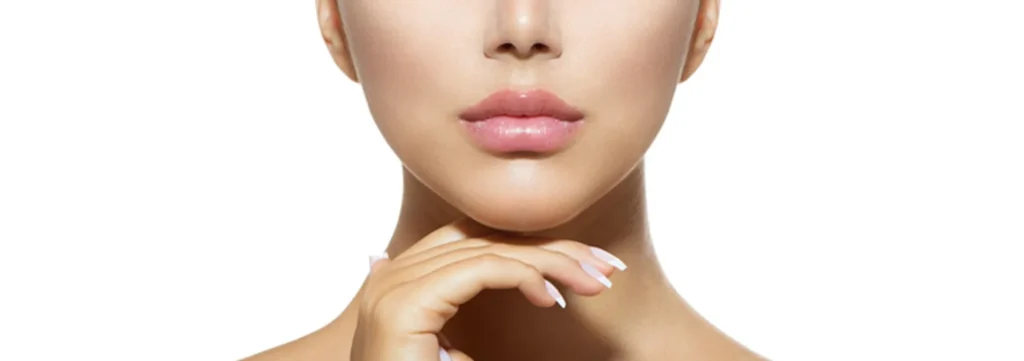
Another, more permanent option is a chin tip implant. Placed at the lower portion of the chin, this implant—typically made of silicone or similar biocompatible materials—enhances the jawline for a long-lasting and natural appearance. This procedure is performed surgically and can dramatically improve facial balance.Both approaches can deliver effective results. The right choice depends on individual goals, anatomy, and expectations—making a thorough consultation with a qualified doctor an essential first step.
İlgili İçerik
Burun EstetiğiDo you have any questions?
EBOPRAS approved plastic surgeon MD. Güray Yeşiladalı is also a member of ISAPS and ASAPS.