
What is Eyelid Ptosis?
How is Blepharoplasty Performed?
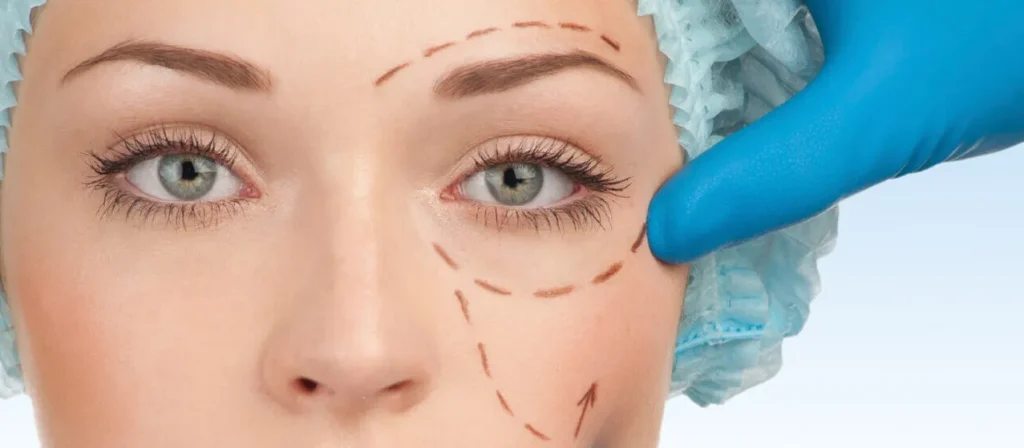
Blepharoplasty, also known as eyelid surgery, is a cosmetic procedure designed to improve the appearance of the upper or lower eyelids. The surgery removes excess skin and fat deposits around the eyes to create a more youthful and refreshed look. It is typically performed under local anesthesia.
- In upper eyelid surgery, excess skin and fat are removed, muscles are tightened, and incisions are hidden within the natural creases of the eyelid.
- In lower eyelid surgery, under-eye bags are corrected by removing or repositioning fat and tightening loose skin. Incisions are usually placed inside the eyelid or along the lash line for minimal visibility.
After surgery, mild swelling and bruising may last for a few days. The healing process typically takes a few weeks, and results can be long-lasting. Many patients report high satisfaction with their appearance following eyelid surgery.
What Are the Symptoms of Eyelid Ptosis?
The symptoms of eyelid ptosis (droopy eyelid) can vary from person to person, but they often include the following:
- Sagging of the upper eyelid: The eyelid droops below its normal position, partially covering the upper part of the eye.
- Impaired vision: Drooping eyelids may obstruct the visual field, leading to restricted or blurred vision.
- Eye fatigue: Because the eyelids require more effort to keep the eyes open, patients may experience quicker eye strain.
- Aesthetic concerns: Eyelid ptosis can affect facial expression and contribute to an aged or tired appearance.
The severity and combination of symptoms may differ for each individual.

Is Droopy Eyelid Genetic?
Yes, droopy eyelid (ptosis) can sometimes be a genetic condition. Some individuals may have a family history of genetic factors associated with eyelid drooping. In cases of congenital ptosis—when the condition is present from birth—hereditary predisposition can play a role.
However, eyelid drooping is not always genetic. Other factors such as aging, muscle weakness, or injury can also contribute to its development. A specialist can determine whether there is a genetic link and recommend the most suitable treatment options. In many cases, ptosis surgery is advised to correct the condition and improve both vision and appearance.
What Causes Droopy Eyelids?
Droopy eyelid (ptosis) can occur due to various factors, including:
- Aging: Loss of skin elasticity and weakening of the eyelid muscles over time can lead to eyelid drooping.
- Congenital factors: Some people are born with droopy eyelids, known as congenital ptosis, which is often inherited.
- Trauma: Eye injuries or certain surgeries can cause the eyelid to sag.
- Neuromuscular diseases: Certain conditions affecting the nerves or muscles can weaken the eyelid muscles and lead to drooping.
- Medical conditions or tumors: Some diseases or tumors can interfere with eyelid function and cause ptosis.
Types of Ptosis
Ptosis can be classified into different types based on its cause:
- Congenital ptosis: Present from birth, often caused by weak or underdeveloped eyelid muscles or nerves.
- Age-related ptosis (senile ptosis): Develops with aging as the muscles and skin around the eyes lose their strength and elasticity.
- Involutional ptosis: Caused by the gradual weakening or stretching of the eyelid muscles and tendons over time.
- Neuromuscular ptosis: Occurs when neurological or muscle disorders cause weakness or paralysis of the eyelid muscles.
Each type of ptosis has different underlying causes, so treatment options may vary.
Send a Photo for Evaluation
Can Droopy Eyelids Develop After Eye Surgery?
Yes, droopy eyelids (ptosis) can sometimes occur after certain eye surgeries. This is more likely following procedures such as cataract surgery or eyelid lift surgery (blepharoplasty). Although rare, it may happen if the eyelid muscles or nerves are weakened or damaged during or after the procedure. The likelihood depends on factors such as the surgeon’s experience, the surgical techniques used, and the patient’s individual anatomy.
If ptosis develops after surgery, it’s important to consult your doctor for an evaluation and potential treatment options.
Will Droopy Eyelids Go Away on Their Own?
In most cases, ptosis does not resolve on its own. Mild drooping may improve slightly over time if the eyelid muscles adapt, but persistent or severe drooping typically requires medical treatment. Depending on the cause, treatment may involve surgical correction or other specialized procedures to restore normal eyelid position and improve vision and appearance.
How Is Droopy Eyelid (Ptosis) Treated?
The treatment for droopy eyelids (ptosis) depends on the cause and severity of the condition. Surgical intervention is usually the most effective option. During ptosis surgery, the eyelid muscles or supporting tissues are tightened, and excess skin or fat may be removed if necessary. Recovery from surgery typically takes a few weeks.
For mild cases, non-invasive ptosis treatments such as Botox injections or the use of specially designed eyeglasses may be considered. Your treatment plan will depend on your specific condition and will be determined after a detailed medical evaluation.
Which Doctor Should You See for Droopy Eyelids?
For the correction of droopy eyelids, you can consult a plastic surgeon experienced in eyelid procedures, such as blepharoplasty. However, it’s important to first see an ophthalmologist (eye doctor) to determine the underlying cause of the eyelid droop. In some cases, the best results are achieved through collaboration between an ophthalmologist and a plastic surgeon, ensuring both functional and aesthetic improvement.
Can Droopy Eyelids Affect Vision?
Yes, droopy eyelids (ptosis) can obstruct vision. In cases of upper eyelid ptosis, the eyelid drops below its normal position, partially covering the eye and restricting the field of vision. This can lead to blurry vision, visual field narrowing, or a complete blockage in severe cases. Surgical correction, such as upper eyelid surgery or ptosis repair, can restore normal vision and improve appearance.
Can Ptosis Cause Headaches?
Yes, in some cases, droopy eyelids can lead to headaches. Ptosis forces the eye muscles and forehead muscles to work harder to lift the eyelids, causing muscle fatigue and tension headaches. Restricted vision from drooping eyelids can also strain the eyes, resulting in eye fatigue and discomfort.
It’s important to note that not all headaches are related to ptosis—other medical conditions may be the cause. A thorough evaluation by an ophthalmologist or oculoplastic surgeon can help identify the reason and determine the best treatment.
Do you have any questions?
How is Laser Eyelid Surgery Performed?
Laser eyelid surgery is a minimally invasive procedure used to treat sagging skin and wrinkles around the eyelids using advanced laser technology. The treatment is performed under local anesthesia, and laser energy is used to precisely reshape and tighten the skin tissue. This method reduces bleeding and swelling compared to traditional surgery, and the recovery time is usually faster.
Patients who have undergone laser blepharoplasty often report positive results, including a more youthful, refreshed appearance with minimal downtime.
How Long Does Eyelid Surgery Take to Heal?
The healing time after eyelid lift surgery varies depending on the individual and the type of procedure performed. Typically, patients experience swelling, bruising, and mild discomfort during the first few days. Stitches are usually removed within several days after surgery.
Most swelling and bruising subside within a couple of weeks, and patients can return to daily activities within a few days. However, full recovery and seeing the final results may take several weeks as the tissues completely heal.
Eyelid Surgery Recovery Process
The recovery period after droopy eyelid surgery (ptosis correction or blepharoplasty) typically takes a few weeks. During the first few days, it is normal to experience swelling, bruising, and mild discomfort. Applying cold compresses to the eyelids and using prescribed medications can help ease these symptoms and speed up healing.
Stitches are usually removed within a few days. Throughout the recovery process, it is important to protect your eyes, avoid heavy physical activities, and follow all postoperative instructions given by your surgeon.
Full recovery and the final results are generally visible after several weeks, once swelling has completely subsided and the eyelids have healed.
What Is Eyelid Filler?
Eyelid filler is a non-surgical aesthetic procedure designed to improve or eliminate dark circles and a tired appearance by injecting filler material into the hollows under the eyes, also known as the tear trough area. In addition to under-eye rejuvenation, fillers can also be injected into a hollow upper eyelid or brow area to restore volume and create a fresher, more youthful look.
This treatment is typically performed using hyaluronic acid-based fillers, which help smooth the transition between the lower eyelid and the cheek, reduce shadowing, and enhance overall facial harmony. The procedure is minimally invasive, provides instant results, and usually requires minimal downtime.