
How Is Botox Administered?
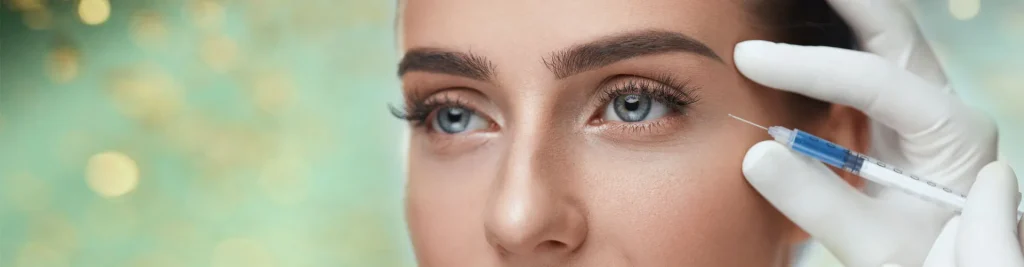
Botox is injected beneath the skin or into targeted muscles using a very fine needle. The entire procedure is typically quick, and most people experience only mild discomfort—if any. Depending on the area being treated and your personal sensitivity, you may feel a slight pinch. To make the process even more comfortable, a numbing cream can be applied beforehand.
What Are the Benefits of Botox?
Botox offers a wide range of benefits, especially for those seeking age-defying effects. By temporarily relaxing specific muscles, Botox softens the appearance of wrinkles and helps create smoother, younger-looking skin.
But its uses aren’t limited to aesthetics. Botox is also effective in treating migraine headaches, excessive sweating (hyperhidrosis), and certain muscle disorders. Before-and-after photos often highlight how successful and subtle the results can be—most people want their face to look refreshed, not “frozen.” That’s why natural-looking Botox treatments are especially popular.
But its uses aren’t limited to aesthetics. Botox is also effective in treating migraine headaches, excessive sweating (hyperhidrosis), and certain muscle disorders. Before-and-after photos often highlight how successful and subtle the results can be—most people want their face to look refreshed, not “frozen.” That’s why natural-looking Botox treatments are especially popular.
Where Is Botox Applied?
Botox is most commonly used to treat facial wrinkles, but it’s a versatile procedure that can be applied to other areas as well. On the face, the most popular treatment zones include the forehead, frown lines between the eyebrows, crow’s feet around the eyes, and lines around the lips. Botox can also be used on the neck, décolletage, and even on the hands to achieve smoother skin.
As we age, forehead and glabellar (between the brows) lines become more noticeable, making these areas top choices for Botox. Lip flip (upper lip Botox), hand Botox, and frown line Botox are among the most requested treatments. Many people find it helpful to look at before-and-after photos to see the difference for themselves.
As we age, forehead and glabellar (between the brows) lines become more noticeable, making these areas top choices for Botox. Lip flip (upper lip Botox), hand Botox, and frown line Botox are among the most requested treatments. Many people find it helpful to look at before-and-after photos to see the difference for themselves.
What Other Conditions Is Botox Used For?
While Botox is widely known for its cosmetic benefits—like reducing wrinkles—it’s also used for several medical conditions. These include migraine relief, treatment for excessive sweating (hyperhidrosis), muscle spasms, and eyelid drooping (ptosis). Its effectiveness in both beauty and medicine makes Botox a trusted option for many people seeking targeted solutions.
Is Botox Snake Venom?
No, Botox is not snake venom. It’s actually made from a purified protein produced by the bacterium Clostridium botulinum.
What Is in Botox?
Botox contains a protein called botulinum toxin, which is derived from Clostridium botulinum. This protein is carefully purified and used in very small, controlled doses for both medical and cosmetic purposes.
Is Botox Safe?
When administered by a qualified healthcare professional, Botox is generally considered safe. Proper dosing and technique are essential for the best results and to avoid unwanted side effects. That’s why choosing an experienced provider is so important for your comfort and safety.
Send a Photo for Evaluation
You can immediately learn the most appropriate aesthetic solution with expert evaluation.
Does Botox Make Your Face Look Expressionless?
There’s a common belief that Botox can leave your face without expression, but this usually only happens when it’s overdone or not administered properly. In the hands of a skilled and experienced professional, Botox can smooth wrinkles while maintaining your natural facial expressions—so you’ll still look like yourself, just more refreshed.
Will My Wrinkles Get Worse If I Stop Botox?
If you decide to stop Botox treatments, your wrinkles won’t get worse than before you started. The effects of Botox gradually wear off over 3 to 6 months, and your facial lines will simply return to how they were prior to treatment. Stopping Botox won’t accelerate the aging process; it just means your skin will go back to its natural state. Regular treatments are needed to maintain the smoothing effect, but you can safely pause or stop at any time.
How Long Does Botox Last?
The effects of Botox vary from person to person, but in most cases, results last between 3 and 6 months. After that, repeat treatments are usually needed to maintain the desired look.
Does Botox Lose Effectiveness Over Time?
It’s possible for certain muscles to develop a degree of resistance to Botox if treatments are repeated frequently, which can reduce the overall effectiveness. That’s why it’s recommended to have touch-up sessions at appropriate intervals rather than too close together.
Has the Duration of Botox Changed Due to Production Differences?
Changes in the manufacturing process can occur from time to time, usually depending on company policies. However, the longevity of Botox mainly depends on the quality of the product and the correct dosage. If you notice a difference in how long your results last, it’s a good idea to discuss it with your provider.
Do you have any questions?
EBOPRAS approved plastic surgeon MD. Güray Yeşiladalı is also a member of ISAPS and ASAPS.
Is Botox Treatment Painful?
Most people find Botox injections virtually painless, though you might feel a slight pinch as the needle goes in. If you’re sensitive to discomfort, a numbing cream can be used to make the experience even more comfortable.
What Should You Watch Out for After Botox?
After a Botox session, it’s common to notice a bit of swelling, redness, or minor bruising at the injection sites. These effects are usually short-lived. To get the best results and avoid complications, always follow your doctor’s aftercare instructions.
Here are a few practical tips:
- Limit contact with water on your face for the first 4 to 6 hours; avoid showering during this period.
- Reduce touching your face and avoid massages or facial treatments for the first 12 to 24 hours.
- Steer clear of intense physical activity for at least a day to help the product settle properly.
A little extra care in the hours following your treatment can make a noticeable difference in your results.
Here are a few practical tips:
- Limit contact with water on your face for the first 4 to 6 hours; avoid showering during this period.
- Reduce touching your face and avoid massages or facial treatments for the first 12 to 24 hours.
- Steer clear of intense physical activity for at least a day to help the product settle properly.
A little extra care in the hours following your treatment can make a noticeable difference in your results.
Aklında sorular mı var? Dr. Güray'a danışabilirsin.
EBOPRAS onaylı plastik cerrah olan Op. Dr. Güray Yeşiladalı aynı zamanda ISAPS ve ASAPS üyesidir.
Are Botox and Dermal Fillers Used for the Same Purpose?
No, Botox and dermal fillers serve different purposes. Botox works by temporarily relaxing the muscles that cause wrinkles—especially those formed by repeated facial movements. Dermal fillers, on the other hand, are used to add volume beneath the skin, filling in hollow areas and creating a plumper, more youthful appearance.
Is Botox Used on the Lips?
There isn’t a procedure called “lip Botox.” For lip enhancement, hyaluronic acid-based dermal fillers are the preferred option—they’re designed to add shape and fullness directly to the lips. While Botox is not injected into the lips themselves, it can be used around the mouth to soften fine lines and create a smoother look.
Can Anti-Wrinkle Creams Achieve the Same Results as Botox Injections?
The effects of Botox injections and topical creams are quite different. Botox targets the underlying muscles, temporarily relaxing them to visibly reduce wrinkles—and results are typically seen much faster. Creams, on the other hand, are mainly used for moisturizing and improving overall skin texture. While they can help keep your skin healthy and smooth, creams cannot treat wrinkles as effectively as Botox. That’s because the skin acts as a natural barrier, limiting how deeply creams can penetrate and how much change they can create.
Where Should You Get Botox Done?
Botox should only be administered by a licensed, experienced medical professional—such as a plastic surgeon, dermatologist, or aesthetic medicine specialist. Always choose a reputable clinic or medical center that follows strict hygiene standards. Before proceeding, it’s wise to check your provider’s credentials and experience.
Every Botox treatment should be tailored to your unique needs, and proper aftercare is essential to achieve the best results. Using Botox correctly not only enhances your natural look but also minimizes the risk of unwanted side effects. For any aesthetic procedure, following your specialist’s advice—both before and after treatment—is key to a safe and satisfying outcome.
Every Botox treatment should be tailored to your unique needs, and proper aftercare is essential to achieve the best results. Using Botox correctly not only enhances your natural look but also minimizes the risk of unwanted side effects. For any aesthetic procedure, following your specialist’s advice—both before and after treatment—is key to a safe and satisfying outcome.
Related to botox
All About Lip AugmentationDo you have any questions?
EBOPRAS approved plastic surgeon MD. Güray Yeşiladalı is also a member of ISAPS and ASAPS.