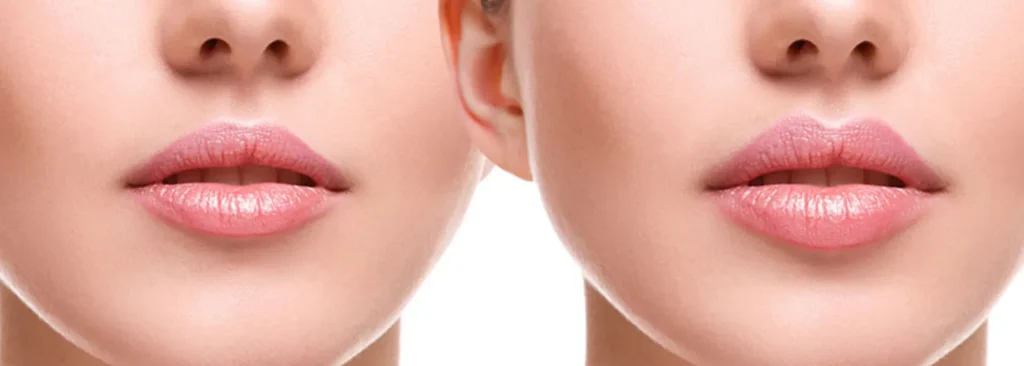
Lip and Facial Fillers

Facial fillers are an effective solution for addressing unwanted changes in your appearance caused by aging or environmental influences. By restoring lost volume and smoothing out lines, fillers help counteract the visible signs of time and daily stress—allowing your skin to look fresher, more vibrant, and naturally youthful.

Summarize this content with AI

How Are Fillers Applied?

Fillers are a cosmetic treatment performed by a qualified doctor or specialist. The procedure involves injecting a specially formulated substance beneath the skin using a fine needle or a cannula. Fillers are most commonly used to smooth out wrinkles, add volume to specific areas, or fill in skin depressions—leaving you with a more refreshed and balanced appearance.

What Types of Fillers Are There?

There are several different types of fillers, each designed for specific purposes:

  • Hyaluronic Acid: The most popular option for skin rejuvenation and enhancing facial features. Hyaluronic acid fillers are gel-like and are injected just below the skin to plump up wrinkles, boost hydration, and improve skin texture.
  • Calcium Hydroxylapatite: Used to add deeper volume and stimulate collagen production, often for cheek or jawline enhancement.
  • Poly-L-lactic Acid: Works gradually to boost collagen and restore facial volume over time.

Your specialist will recommend the most suitable filler type based on your goals and facial structure. Hyaluronic acid fillers are a favorite for those seeking a naturally youthful, radiant look—with little downtime and instant results.

Consultation

What Are the Advantages of Filler Treatments?

  • Most filler treatments require little to no anesthesia.
  • The procedure is quick, and results are visible almost immediately.
  • There’s minimal downtime—most people return to their normal activities right after treatment.
  • Fillers provide a fresher, more youthful appearance with subtle enhancements.
  • You can quickly get back to your daily routine after the procedure.

Are Fillers Permanent?

Fillers are generally not permanent. Over time, the body gradually absorbs the filler material and the effects fade. Some types of fillers last longer than others, but most require repeat sessions every so often to maintain the desired look. Regular touch-ups help keep results looking fresh and natural.

What Is Facial Filler?

Facial filler is a cosmetic treatment designed to reduce the appearance of lines and wrinkles, restore lost volume, and enhance overall facial contours. During the procedure, a special filler material is injected beneath the skin. By adding volume under the surface, fillers help smooth out deep lines, fill hollow areas, and define features—resulting in a more rejuvenated and refreshed look. Many people notice the difference right away, especially when comparing before-and-after photos.

Common Uses for Facial Fillers:

  • Smoothing Wrinkles and Lines: Fillers can target forehead lines, crow’s feet, nasolabial folds, and marionette lines, visibly reducing their depth and creating smoother skin.
  • Restoring Volume: Over time, aging or genetics can lead to a loss of facial fullness. Fillers are commonly used to restore volume in areas like the cheeks, cheekbones, and lips.
  • Lip Enhancement: Lip fillers are a specific type of facial filler used to add fullness and shape to the lips for a more defined, attractive appearance.
  • Enhancing Cheekbones: Mid-face or cheek fillers add volume and definition to the cheeks and cheekbones, counteracting sagging or flattening that occurs with age. The transformation is often striking when viewed in before-and-after images.
  • Defining the Jawline: Jawline fillers help to sharpen or balance the lower face, providing a more sculpted and harmonious profile.
  • Under-Eye Filler: Specially formulated fillers can be used to treat hollowness or dark circles under the eyes, helping to minimize shadows and create a brighter, rested appearance—often with immediate visible results.

Facial fillers offer a versatile, non-surgical approach to enhancing your natural features and achieving a more youthful, radiant look.

Send a Photo for Evaluation

You can immediately learn the most appropriate aesthetic solution with expert evaluation.

How Long Do Facial Fillers Last?

The longevity of facial fillers depends on the type of filler used, but most last between 6 and 24 months. Factors like your age, skin type, lifestyle, and the specific area treated can all influence how long the results will remain visible.

What Happens When the Effects of Fillers Wear Off?

As the filler gradually breaks down and is absorbed by the body, its effects will fade, and your skin will slowly return to its previous state. If you wish to maintain your refreshed look, repeat treatments can be scheduled.

Are Facial Fillers Harmful?

When performed properly by a trained professional using approved materials, facial fillers are generally safe. However, risks can arise if the procedure is done incorrectly or with low-quality products. Possible side effects include infection or allergic reactions, although these are rare. For your safety, always follow your doctor’s aftercare recommendations and choose an experienced provider for your treatment.

Who Should Avoid Facial Fillers?

Facial fillers are not recommended for everyone. You should avoid this treatment if you are pregnant or breastfeeding, have allergies to any of the filler ingredients, are dealing with an active infection, or have serious underlying health conditions. Always consult with your doctor to determine if fillers are safe for you.

Are There Permanent Facial Fillers?

Permanent filler options do exist, but they are rarely used and most fillers are designed to be temporary. Permanent fillers can carry greater risks and, if unwanted results occur, they are much harder to reverse. If you’re considering a long-lasting filler, make sure to discuss all options and potential outcomes thoroughly with an experienced specialist.

Is Getting Facial Fillers Painful?

Most people experience only mild discomfort during the procedure, and local anesthetic is usually applied to minimize any pain. The sensation is generally well-tolerated. Your doctor will also provide you with aftercare instructions to ensure the smoothest possible recovery and the best results.

Do you have any questions?

EBOPRAS approved plastic surgeon MD. Güray Yeşiladalı is also a member of ISAPS and ASAPS.

What Is Lip Filler?

Lip filler is a cosmetic procedure used to enhance the volume, shape, and overall appearance of the lips. During the treatment, a special filler—most commonly hyaluronic acid—is injected into the lips with a fine needle or cannula. Hyaluronic acid is a substance naturally found in the skin, known for its ability to retain moisture and give a plumper, smoother look.

With lip fillers, you can achieve fuller lips, reduce fine lines around the mouth, and create a more youthful, balanced facial appearance. The results are usually immediate, and the procedure is minimally invasive.

Who Should Not Get Lip Fillers?

Lip fillers are not recommended for those who are pregnant or breastfeeding, have an allergy to filler ingredients, or are dealing with an active infection. Certain medical conditions may also make this procedure unsuitable—always consult with a specialist to be sure.

Does the First Lip Filler Dissolve Quickly?

The first lip filler usually does not dissolve right away. High-quality hyaluronic acid fillers are formulated to provide long-lasting volume, but like all fillers, their effect will gradually diminish over time and may require touch-up treatments. Trusted brands offer natural-looking, hydrating results that can be maintained with regular care.

Do you have any questions?

EBOPRAS approved plastic surgeon MD. Güray Yeşiladalı is also a member of ISAPS and ASAPS.

Does Lip Filler Affect Your Smile?

When performed correctly, lip filler does not negatively affect your smile. In fact, a well-done lip filler can enhance your smile, making it look fuller and more attractive. However, if too much filler is used or the procedure isn’t done properly, it may lead to unnatural results. This is why choosing an experienced specialist is so important. Reviewing before-and-after photos can help set realistic expectations and boost confidence in the outcome.

Is 1 ml of Lip Filler Enough?

The ideal amount of lip filler depends on your personal preferences and desired results. For most people, 1 ml of filler is enough to achieve a natural, subtle enhancement. If a fuller look is your goal, additional filler may be added gradually over multiple sessions. Your practitioner will guide you on what’s best for your features and expectations.

When Can You Apply Lipstick After Lip Fillers?

After getting lip fillers, it’s important to follow your doctor’s advice for aftercare. Although infection is rare, your lips are more sensitive in the first days following treatment. For this reason, it’s generally recommended to avoid applying lipstick or other makeup products for at least the first 24 to 48 hours. After that initial period—and once any swelling or tenderness has subsided—you can safely return to your normal makeup routine.

How Long Do Lip Fillers Last?

The longevity of lip fillers depends on the type of filler used, but most hyaluronic acid-based fillers last between 6 and 12 months. With proper care and regular touch-ups, you can maintain fuller, more defined lips for an extended period.

Is Lip Filler Very Painful?

Most people experience only mild discomfort during a lip filler procedure. Numbing cream or local anesthesia is usually applied beforehand, making the process quite manageable—even for those with a low pain threshold.

Can Infection Occur After Lip Fillers?

Infections are rare but possible after lip fillers. Signs of infection include swelling, redness, pain, increased warmth, or pus formation at the injection site. If you notice any of these symptoms after your treatment, contact your doctor right away for proper care.

Do Fillers Cause Cancer?

There is no scientific evidence linking approved filler materials to cancer. Fillers are widely used and considered safe when administered by experienced, qualified professionals. However, complications can arise from poor technique or the use of unapproved products, so it’s crucial to choose a reputable provider for any injectable procedure.
Related to Lip AND FACE FILLERS
All About Under Eye Light Filler

Do you have any questions?

EBOPRAS approved plastic surgeon MD. Güray Yeşiladalı is also a member of ISAPS and ASAPS.